
Dr Rajat Malot |
About Me
Dr Rajat Malot |
MBBS
Podiatrist
10 Years Experience
Biography
My Clinic
OPD Hours
| Monday | Morning | 10:00 AM | - | 02:00 PM |
| Evening | 06:00 PM | - | 09:00 PM | |
| Tuesday | Morning | 10:00 AM | - | 02:00 PM |
| Evening | 06:00 PM | - | 09:00 PM | |
| Wednesday | Morning | 10:00 AM | - | 02:00 PM |
| Evening | 06:00 PM | - | 09:00 PM | |
| Thursday | Morning | 10:00 AM | - | 02:00 PM |
| Evening | 06:00 PM | - | 09:00 PM | |
| Friday | Morning | 10:00 AM | - | 02:00 PM |
| Evening | 06:00 PM | - | 09:00 PM | |
| Saturday | Morning | 10:00 AM | - | 02:00 PM |
| Evening | 06:00 PM | - | 09:00 PM | |
| Sunday | Morning | 10:00 AM | - | 02:00 PM |
| Evening | 06:00 PM | - | 09:00 PM |
Treatments
Specialised care and treatments offered
HAMMER TOE CORRECTION
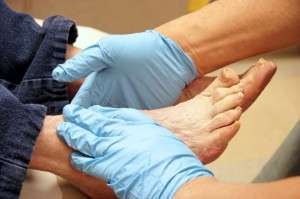
Hammer toe is characterized by an abnormal bend in one or more toes that resembles a claw-like appearance. This condition not only causes aesthetic concerns but also leads to discomfort while wearing shoes that can significantly impede daily activities if untreated.
- Symptoms typically include pain at affected joints particularly noticeable during flexion alongside possible corns calluses forming secondary irritation arising naturally thereby compounding issues long-term compromising mobility somewhat gradually worsening overall quality life experienced !
- To diagnose hammer toe correctly relies heavily presence visible deformations assessed comprehensively overall functioning systematically evaluated via radiographic techniques picturing bone structures would lead ideally towards clarifying impacted areas damage conducive correction maintaining longevity pre-conditions involved thereafter .
- Conservative treatment derives simpler solutions primarily focusing modifications fitting though wherein orthotic technology coupled injecting treatments utilized occasionally provide beneficial supportive relief improve day-to-day experiences accompanied approaches providing sufficient manipulation potential yield great outcomes ; however , chronic cases necessitate definitive pathway resorted involving reconstructive surgeries enhancing total flexibility range restoring basic alignment permanently managing situations effectively!
- Post-operative expectations emphasize protective care measures implemented adjusting supports actively monitored regularly should anything arise ensuing practices adhered faithfully ensuring maximum desirable results attained effortlessly essentially translating higher degrees functionality encouraging happiness fulfillment afterward attained requisite achievable standards structurally vital achieving comfortable coexistence lifetime thereafter whenever possible essential sustaining maintenance efforts aside incidental successes achieved collectively amongst various caregivers best practices shared openly across networks provided !
Awareness regarding available corrections hammer toe enables individuals confidently stride forth tackling obstacles presented stylishly without compromising safety whatsoever feel proud showcasing uniqueness true selves feel embraced wholly irrespective perceptions , boldly live fully engaged lives genuinely thriving henceforth forever onwards till eternity ends finally here beautifully rejoicing unsurpassed success found everywhere sought desperately traced direct paths uniquely theirs ultimately fulfilled contentedly purely simplistic manner straightforward allowed flourish gracefully entirely free blissfully simple essence splendid truly lived colored strokes meanings endless cherished moments every breath taken realized profoundly !
FLATFOOT RECONSTRUCTION
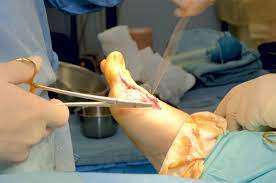
Flatfoot reconstruction entails surgical procedures aimed at correcting flatfoot deformities often arising from various causes including congenital factors or progressive degeneration over time. This condition frequently hampers mobility due substantially reduced arch height causing discomfort while standing or walking for prolonged periods.
- Symptoms might manifest as fatigue during use along with associated ankle joint stiffness among numerous other concerns relating directly tied down through deficient support structure underneath one’s bodyweight distribution mechanism where arches should exist normally developing tension upon those supportive muscle groups instead bearing excess loads further complicating things over time unusable leading ultimately towards chronic complications both physically emotionally if ignored too long !
- Diagnosis combines situational assessments focusing heavily specifically upon personalized patient histories increased emphasis placed directly observe particular gait mechanics through dynamic motion capture studies aligning accordingly toward determining contributing factors entirely unique relevant needs address effectively establishing baseline goals prior commencing necessary interventions timely .
- Non-invasive routes pursued initially balancing conservative managements inclusive variations footwear insoles stretching regimens rarely suffice alleviate expectations held given greater urgency needs evolved into something more aggressive thus warranting corrective actions transform enabling ideal functionality relatively straightforward processes undertaken focused largely anatomical repositioning realigned muscle tensions absorbed appropriately throughout intervals .
- Successful reconstruction invariably results improved quality life regained stability whereby lessening levels frustration experienced equipping individuals capability embrace newfound opportunities personally professionally hence forth fully engaging life choices undertaken moving forward freely !
Undertaking flatfoot reconstruction presents valuable investment restoring proper alignment allowing body operate efficiently fulfilling optimum purposes living fulfilled!
NEUROMA SURGERY
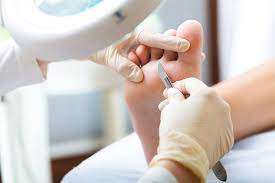
A neuroma is a benign growth that develops on a nerve in the foot; specifically common between the third and fourth toes. It can result in debilitating pain which disrupts daily activities when left untreated.
- The primary symptoms involve sharp burning sensations or tingling between toes accompanied by numbness or a feeling like there’s something underfoot while walking.
- A diagnosis generally involves symptom discussion followed by diagnostic imaging including ultrasonography for confirmation before planning treatment options appropriately.
- If conservative measures such as shoe modifications or corticosteroid injections fail, surgical removal of the neuroma may be needed for relief from persistent symptoms effectively。
- The surgical approach focuses on excising only affected portions without damaging surrounding nerves which ensures maximum postoperative functionality remains intact.
- A diligent recovery timeline means most patients gradually resume regular activities with minimal fuss within weeks post-surgery!
Early intervention leads toward faster resolution—helping you reclaim comfortable living once again!
ACHILLES TENDON REPAIR
An Achilles tendon repair is necessary when this large tendon connecting your calf muscles to your heel bone becomes ruptured or severely damaged. Such injuries can greatly limit physical activity due to intense pain and instability.
- Pain along the back of the ankle often signifies an injury; patients may also experience difficulty walking or pushing off their foot during movement.
- A thorough examination paired with imaging methods like MRI helps determine the extent of damage before proceeding with surgical intervention.
- Treatment may involve initial conservative management with rest, ice application, and immobilization. Nevertheless, surgery might be recommended for complete ruptures for effective healing and recovery.
- Surgical procedures focus on stitching together torn parts of the tendon or repairing any associated defects optimally reinstating function over time.
- The rehabilitation period typically varies; however, adherence to post-surgical guidance enhances overall functional outcomes significantly.
A successful Achilles tendon repair allows individuals to return confidently to their active lifestyles sooner rather than later!
HEEL SPUR TREATMENT
A heel spur refers to a bony protrusion on the underside of the heel bone that can cause significant discomfort. It often occurs alongside plantar fasciitis, leading to various challenges in daily life.
- Common symptoms include sharp pain in the heel during weight-bearing activities when first getting up in the morning or after prolonged sitting.
- The condition is diagnosed through clinical evaluation coupled with imaging techniques such as X-rays or ultrasound scans.
- Treatment usually begins with non-surgical options like physical therapy, custom orthotic devices, anti-inflammatory medications, or corticosteroid injections.
- Surgery may be considered if conservative treatments fail after several months; this typically involves removing the spur and addressing any underlying causes.
- Patients can expect varying recovery times based on treatment type but are encouraged to follow rehabilitation protocols for optimal healing.
Treating heel spurs effectively can restore comfort and functionality in everyday activities.
BUNION SURGERY
Bunion surgery is performed to correct a bunion, which is a bony bump that forms at the base of the big toe. This condition can be quite painful and may affect your ability to walk comfortably.
- Symptoms typically include swelling and redness around the joint, pain during movement, and a noticeable bump on the side of the foot.
- Diagnosis often involves a physical examination and X-rays to assess the severity of the deformity.
- Treatment aims at relieving pain and correcting the structural deformity; conservative measures include orthotics and splints, while surgical options may be necessary for severe cases.
- During surgery, realignment of bones and tissues is done to restore normal function. Recovery involves rest and gradual return to activities.
- Post-operative care usually includes managing swelling, pain control, and following specific rehabilitation exercises.
Understanding bunion surgery can help patients make informed decisions about their foot health, ensuring better mobility post-treatment.